
Why Pet Hair in Cars Is So Hard to Remove
Show More
Pet hair removal from cars in Morris County, NJ is one of the most-requested services I handle at GNG Auto Detail. The reason it's so requested is simple: it's genuinely hard to remove, and most approaches don't work. Dog and cat hair doesn't sit on top of carpet and seat fabric, it works its way into the weave. The more the car is used, the deeper it gets pressed. A household vacuum picks up loose surface hair but leaves everything that's embedded, which is most of it.
I use professional pet-hair extraction tools that the average car owner doesn't have access to: stiff rubber brushes that pull hair up from carpet loops by generating static, compressed air that flushes hair out of tight areas and crevices, and HEPA-filtered vacuums with specialized attachments designed to pull hair out of upholstery without spreading it around. The combination removes what household tools leave behind.
I'm based in Cedar Knolls and serve 22 towns across Morris County and nearby. It's a mobile service, so I come to your driveway.
The Pet Hair Removal Process
Step 1: Rubber Extraction
Stiff rubber brushes generate static that pulls embedded hair up from carpet loops and seat fabric weave. This surface-break is what makes the vacuuming step actually work.
Step 2: Vacuum Extraction
HEPA-filtered vacuum with pet-hair attachments pulls the loosened hair out of carpet and upholstery. The attachment shape prevents hair from wrapping around the head and being left behind.
Step 3: Compressed Air
Air is used to flush hair from seat seams, door panel gaps, under seats, air vents, and cargo area corners where brushes and vacuums can't reach.
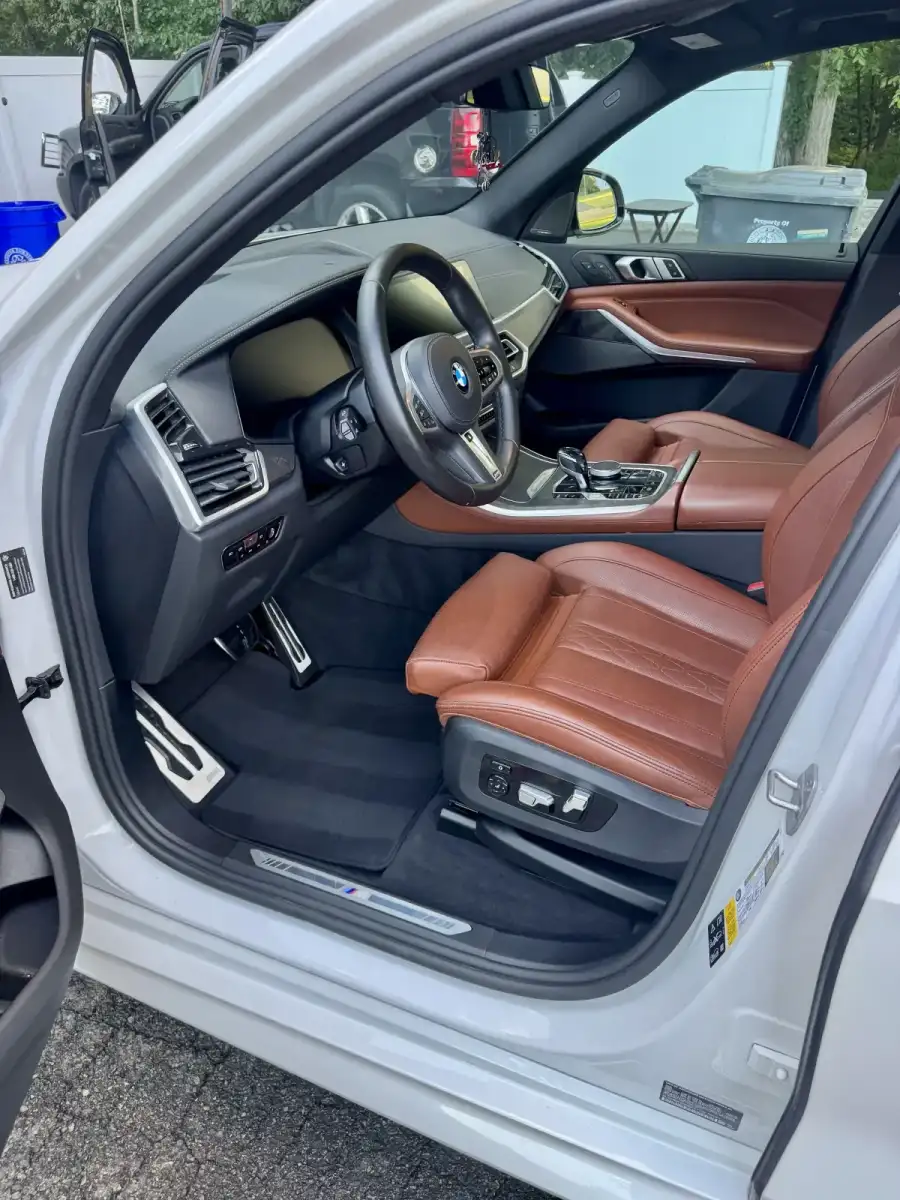
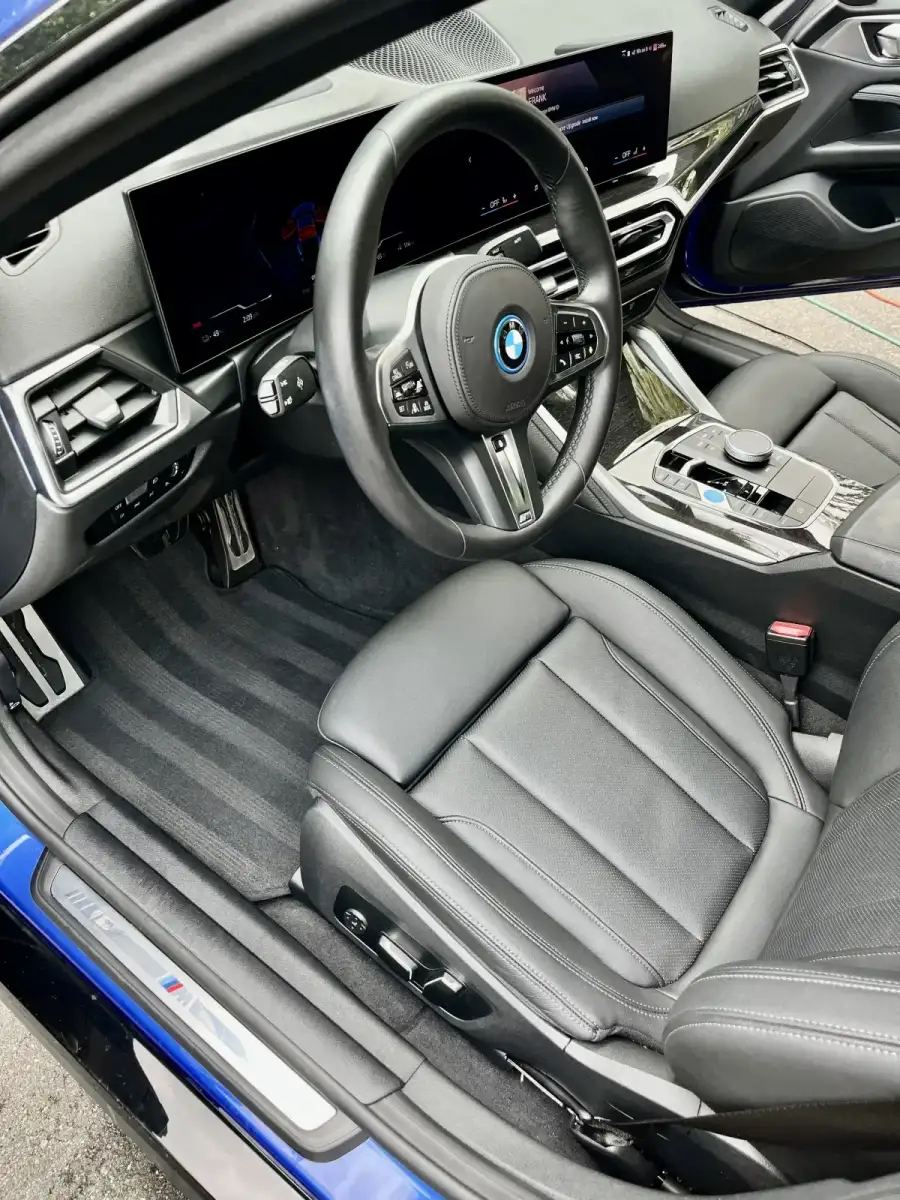
Pet Hair Removal Results in Morris County, NJ
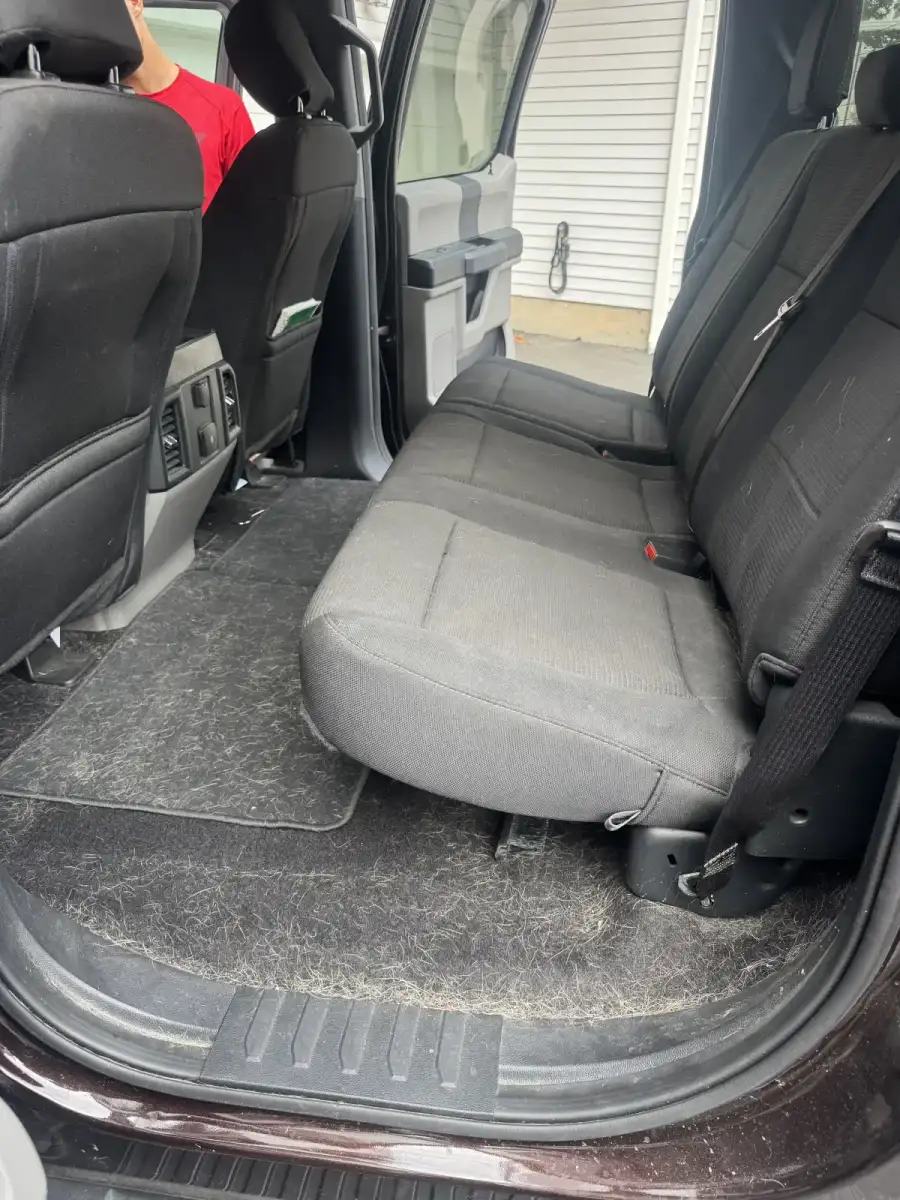
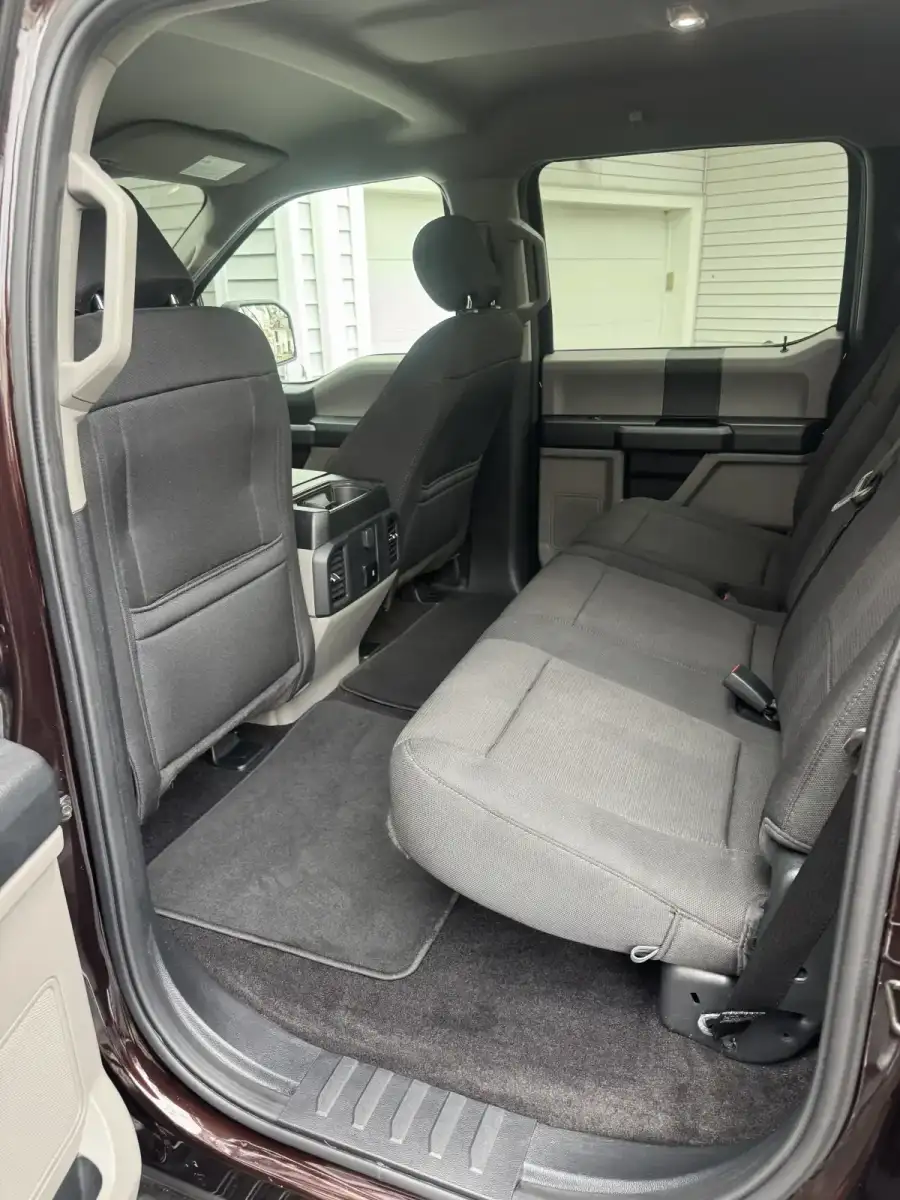
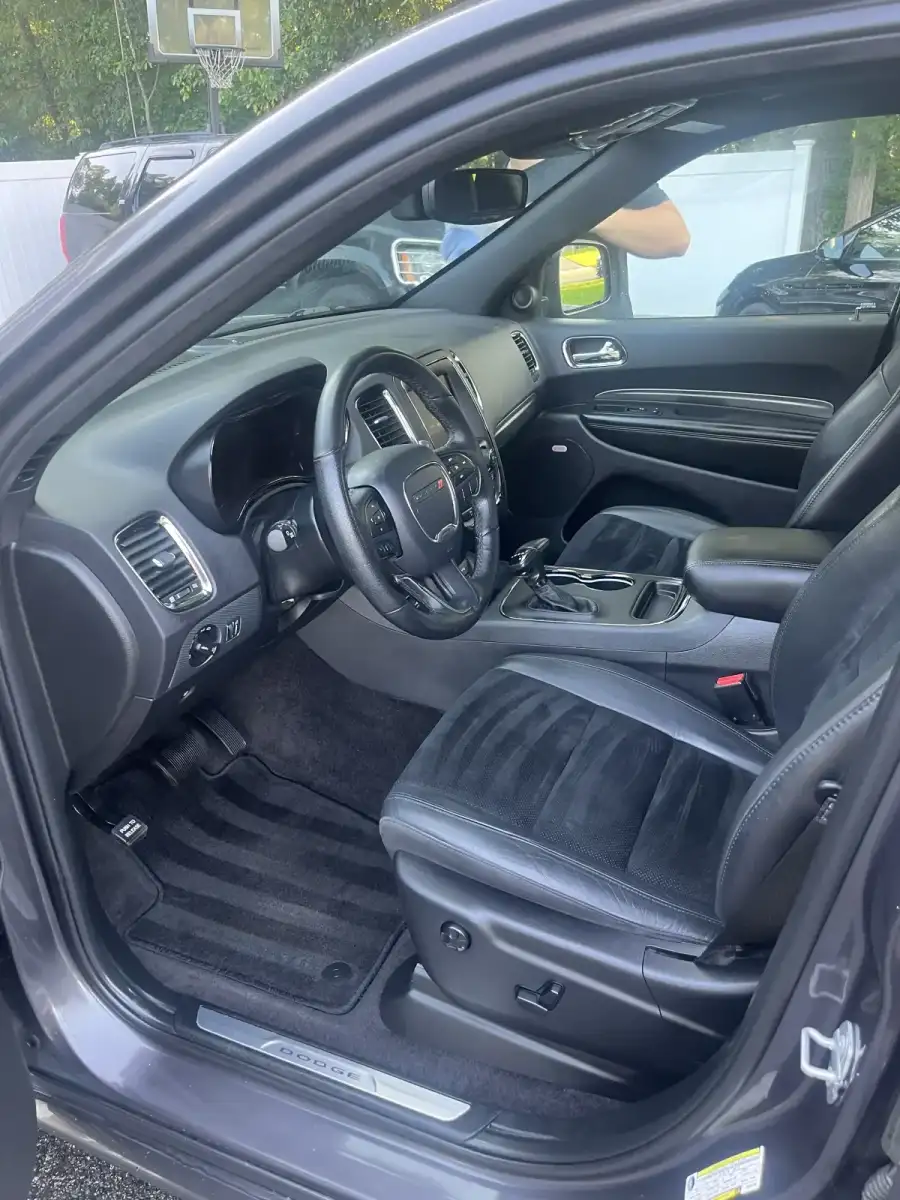
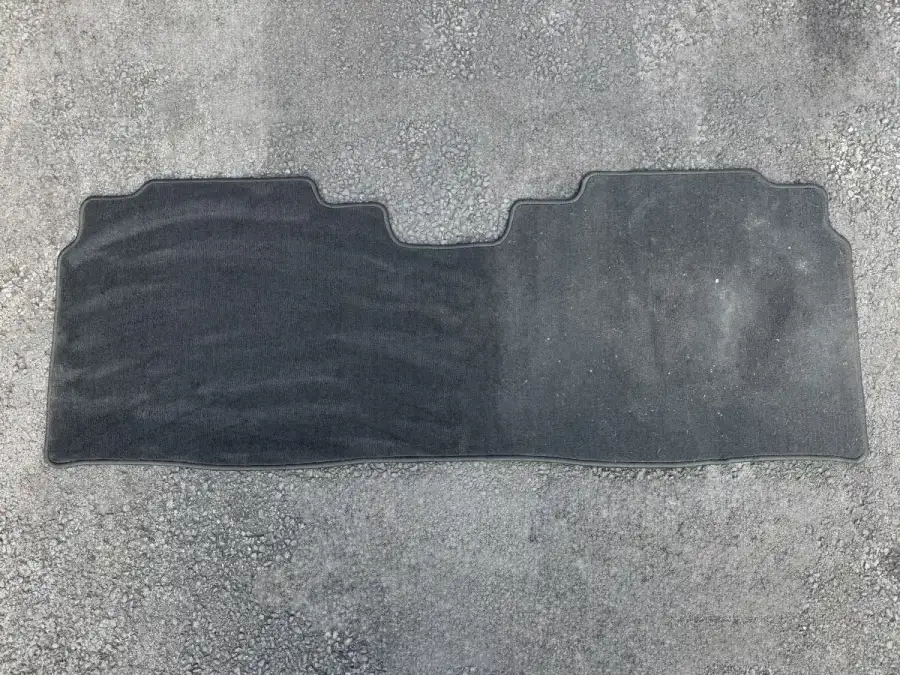
Every Surface, Every Type of Pet Hair
Show More
Surfaces I treat for pet hair: front and rear carpet, all floor mats, front and rear seat upholstery (cloth and leather), headliner, cargo area carpet, door panel fabric, under-seat areas, seat-back pockets, and the trunk floor.
Dog hair varies a lot by breed. Short, coarse hair (German Shepherd, Labrador, Husky) works deep into carpet loops quickly. Long, fine hair (Golden Retriever, Bernese Mountain Dog) spreads over a larger surface area and clings to headliners. Double-coated breeds shed in layers: the outer coat comes out easily, the undercoat is finer and harder to get. I adjust my tools and technique based on what I'm dealing with.
Cat hair is typically finer and lighter than dog hair. It floats into HVAC vents, collects in the headliner, and clings to cloth surfaces through static. I address vents with compressed air and detailing brushes to prevent the hair from recirculating through the cabin air.
Pet odor often comes with pet hair. The smell is in the fabric, not just on the surface. After hair removal, I do a full hot-water extraction of the carpet and upholstery and treat the cabin for odor. The result is a car that doesn't just look clean. It smells neutral too.
What Household Tools Can't Do
Show More
Lint rollers and tape work on smooth surfaces, but they don't penetrate carpet pile. Rubber gloves dampened with water can pull up some surface hair, but they don't reach deep into the weave, and they spread fine hair around more than they collect it. Standard household vacuums lack the suction pattern and attachment geometry to pull hair out of upholstery. Mostly they just move it around.
The tools I use are designed specifically for automotive pet hair: stiff rubber brushes that create enough friction to break hair loose from carpet loops, professional extractors with higher CFM than consumer vacuums, and attachments with the right head geometry to get into seat crevices and under headrests.
If you've tried the glove trick, the tape trick, or a regular vacuum and still see hair, that's not on you. It's a limitation of the tools. Professional extraction gets a genuinely different result.
How Bad Is Your Pet Hair Problem?
Show More
Light accumulation is a car where a pet rides occasionally, a few trips per month, usually in the back seat. The hair is visible on the seat upholstery and scattered on the cargo area floor mat, but the carpet isn't saturated and the headliner is largely clear. This is the fastest scenario to handle and adds about 30 to 45 minutes to a standard interior detail.
Moderate accumulation is a car with a daily rider, the dog who goes everywhere. Hair is embedded in the rear carpet pile, layered into the seat upholstery, visible on the headliner, and present in the door panel fabric. There's usually some odor too. This takes 1 to 2 hours of dedicated pet-hair work on top of the full interior clean.
Heavy accumulation is a car that's been a dog's primary spot for years: shedding from a large breed, especially a double-coated one like a Husky or Bernese. The carpet is matted with embedded hair several loops deep. The headliner is coated. The air smells like dog even with the windows down. Heavy cases can take 3 or more hours for the extraction alone, and I may do a second pass on the carpet after the first round dries. These are the jobs where the result is most dramatic, because the starting point is so far from clean.
What I ask before quoting: What kind of pet, how large, how often they're in the car, and which seats and areas they usually occupy. That lets me give you a realistic time and price estimate instead of a flat rate that ignores your specific situation. Photos help too. A few quick pictures of the worst-affected areas tell me more than a description can.
Vehicles I commonly treat for pet hair in Morris County: SUVs and crossovers with large cargo areas are the most common: Jeep Grand Cherokees, Ford Explorers, Toyota 4Runners, Honda Pilots, and Subaru Outbacks are regulars. Pickup truck interiors with cloth seats come up a lot too. I work on all makes and models.
What Happens When I Arrive for Pet Hair Removal
Show More
I start with a quick walk-around of the interior: front seats, rear seats, headliner, cargo area, and trunk. I identify the worst-affected areas and confirm the scope before any tools come out. If the severity is significantly different from what was described when booking, I'll tell you before starting and adjust the quote if needed, so there are no surprises after the fact.
The extraction sequence goes from top to bottom. I start with the headliner (so loosened hair falls down, not onto areas I've already cleaned), then move to the seat upholstery, then the seat crevices and rails, then carpet. Air is used at each stage to flush hair out of gaps and vents. The last pass is a deep vacuum of the entire floor and cargo area.
After pet hair removal, I do a full interior detail: wipe-down of all hard surfaces, dashboard, console, door panels, and cup holders. If odor was part of the problem, I treat the cabin with an enzyme-based odor eliminator, not a masking spray, one that breaks down the organic compounds actually causing the smell.
Most Morris County residents notice the car smells neutral before they notice how it looks. That's often the bigger win: a passenger who's never met your dog could ride in the car and never know one rides in it.
Pet Hair Removal Across All of Morris County
Based in Cedar Knolls. Mobile service to 22 towns across Morris County and nearby.
Book Pet Hair Removal in Morris County
Tell me your vehicle and how bad the hair is. I'll give you an honest price before anything starts.
Pet Hair Removal FAQ
Can you really remove all pet hair from my car?
How long does pet hair removal take?
Do you come to my home for pet hair removal?
What surfaces do you clean during pet hair removal?
Do you treat pet odor too?
Related services: