
How often should you wax your car? For most daily drivers in New Jersey, a regular paste or liquid wax every 2 to 3 months is a good rhythm, plus one fresh coat in October or early November before the salt trucks come out. A spray wax wears off in a couple of weeks, and a sealant can last for months, so the right answer depends on what you put on.
The calendar is only a starting point. Where the car sleeps, how many miles you put on it, and how often it gets washed matter more than the date. Here is how I would think about it.
How often should you wax your car, by type of protection?
Not every product called wax lasts the same. Spray waxes are thin and quick, paste and liquid waxes are thicker, and synthetic sealants are built to hang on longer. Use this table as a rough guide, then trust what the paint tells you (more on that below).
| Protection | How long it usually holds | When to redo it |
|---|---|---|
| Spray wax | About 2 weeks | Every wash or two |
| Paste or liquid wax | About 1 to 3 months | Every 2 to 3 months, and before winter |
| Synthetic or ceramic sealant | Several months | Twice a year, fall and spring |
| Ceramic coating | Years, depending on the product | Follow the installer's care sheet |
Every Exterior Detail I do ends with a spray wax, and I list it as about two weeks of protection, because that is honest for a spray. If you want something that rides through a whole winter, the booking page has a 6 Month Ceramic Sealant add-on. Coatings are their own conversation, and I break that down in what ceramic coating actually does.
How can you tell when your wax is worn off?
You do not need a calendar reminder. The paint gives you a few clear signs.
Water stops beading. Fresh protection makes tight, round drops that roll off. Worn paint lets water lie flat in sheets and puddles.
Dirt sticks harder. A protected car rinses off easily. When pollen and road film need real scrubbing, the protection is gone.
The paint feels rough. Run your fingertips over a clean hood. Gritty paint has bonded contamination on it, and wax will not stick well until that comes off.
The shine looks flat. Especially on dark colors, worn wax shows as a dull, hazy look in the sun.
Rough paint is the one people miss. Wax goes on top of whatever is there, so waxing over grit just seals the grit in. A clay bar treatment pulls that contamination out first. The booking page lists Clay Bar and a Clay and Seal Combo as add-ons for exactly that reason.
Why wax before a New Jersey winter?
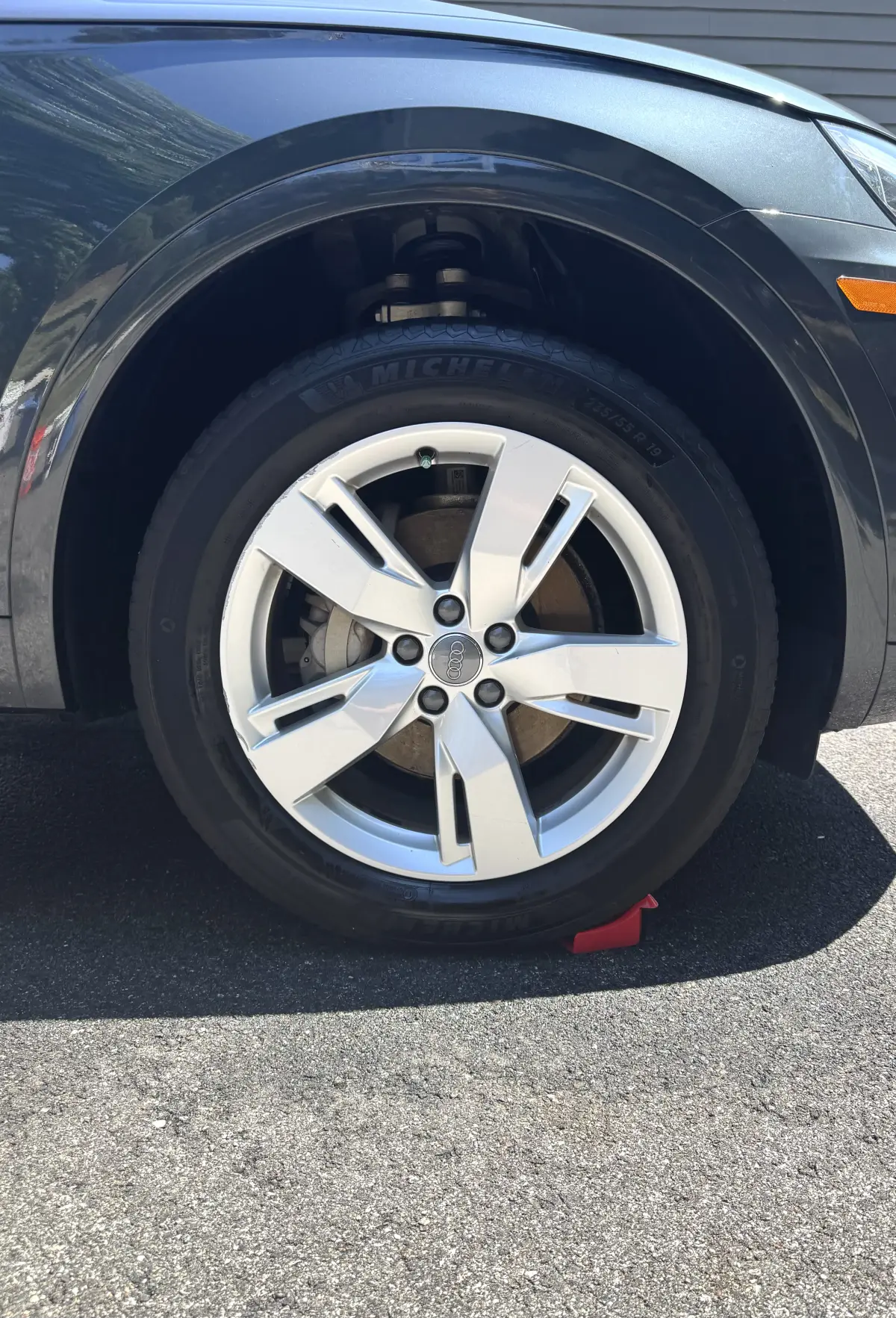
Because salt season is the hardest stretch your paint sees all year. The NJDOT winter FAQ explains that crews pre-treat roads with salt brine before snow or ice starts, and that the brine can stay on the pavement for several days. Every car that drives on it gets a fine salty mist kicked up onto the lower doors, rockers, and wheel arches.
A fresh layer of wax or sealant gives that grime something slick to sit on instead of bare clear coat, and it makes winter washes faster. If you commute on I-80 or Route 46 through Parsippany, your lower panels get coated after every storm. My road salt guide covers the washing side of winter.
Timing matters too. Wax goes on best on a cool, dry panel in the shade, and it gets harder to spread and slower to haze once the weather turns cold. Mild October afternoons are the easy window. Wait until January and you are fighting the temperature and the salt at the same time.
Can you wax your car too often?
A pure wax or sealant will not hurt the paint, so an extra coat is mostly wasted time and product. The thing to watch is cleaner waxes and polishes. Those carry a mild abrasive, and running them over the paint every few weeks slowly wears the clear coat for no reason. Save the abrasive products for when the paint actually needs them.
Read the label before you start, too. The directions on Turtle Wax Super Hard Shell paste wax say to wash and dry the car first, and to keep the wax off plastics, porous rubber, matte paint, and decals. Wax dried into black trim leaves a white, chalky stain that is a pain to get back out.
What does a good pre-winter routine look like?
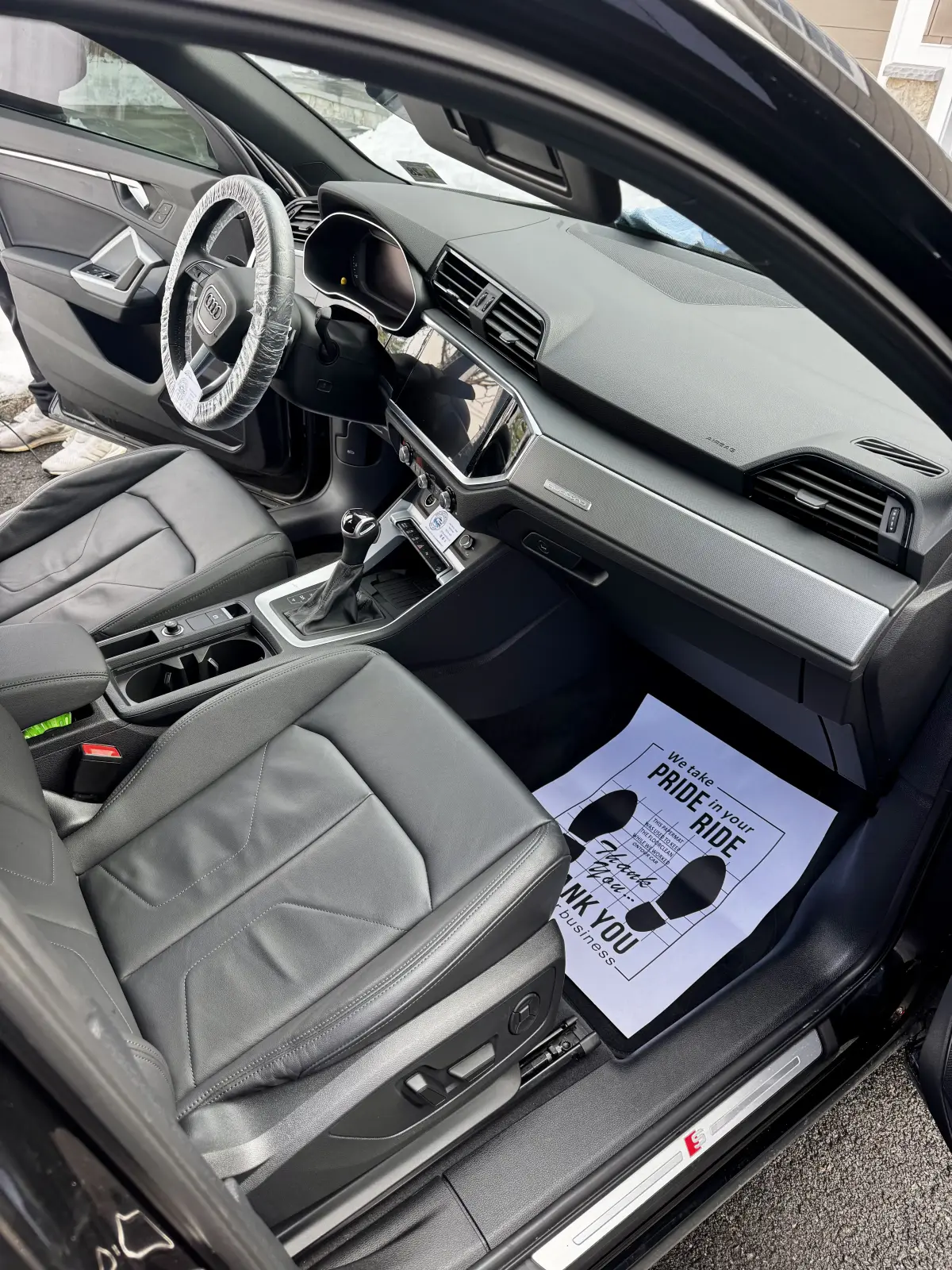
Wash the whole car, wheels and door jambs included.
Feel the paint. If it is rough, clay it before anything else.
Put on a wax or sealant, one panel at a time, in the shade.
Through the winter, wash every week or two and rinse the lower panels after storms.
In spring, wash off the salt and put fresh protection back on.
If you would rather skip the cold hands, I come to your driveway anywhere in Morris County with my own water and power, so you do not need a hose or an outlet. Pick an Exterior Detail, add the sealant if you want it to last the winter, and book online in about a minute.