
Mold in your car almost always means water is getting in or staying in. Find that source and dry the cabin before you clean anything, because mold grows back on damp material no matter what you spray on it. Small spots on hard plastic can be wiped off. Mold that has spread into seat cushions, carpet padding, or the vents is a bigger job, and sometimes the material has to be replaced.
It usually starts small: a window cracked during a rainstorm, a damp gym bag forgotten in the back, or a floor mat that never dried out. Here is what I tell people before they book anything.
What causes mold in a car?
Mold needs moisture, something to feed on, and time. A car interior has plenty of food: crumbs, spilled drinks, skin oils, and the fabric itself. So the real question is always where the water came from. The EPA puts it simply: the key to mold control is moisture control.
A window or sunroof left open in the rain.
A clogged sunroof drain or a worn door or windshield seal.
Snow and slush melting off boots and soaking into the carpet all winter.
Wet towels, clothes, umbrellas, or sports gear left in the car.
A spill that was blotted on top but soaked through to the padding.
A car that sits parked for weeks with the windows shut.
If the carpet keeps getting wet and you cannot explain why, that is a leak. Cleaning will not fix it. A body shop or dealer needs to find and repair it first, or the mold comes right back.
Is mold in a car dangerous?
It can be for some people. According to the CDC, damp and moldy places may cause a stuffy nose, sore throat, coughing or wheezing, burning eyes, or a skin rash, or no effects at all. People with asthma or mold allergies can react more strongly, and people with weak immune systems or chronic lung disease face a higher risk of lung infections.
I am a detailer, not a doctor. If anyone who rides in the car has asthma, allergies, or a health condition, or if someone feels sick after driving it, talk to a doctor before deciding what to do. A car is a small closed space, and you sit in it with the air running.
Can you clean mold out of car seats and carpet yourself?
On hard surfaces with a small spot, often yes. The CDC says mold can be removed from hard surfaces with household products, soap and water, or a weak bleach solution, and it warns never to mix bleach with ammonia or other cleaners. Bleach can also discolor fabric and trim, so read your owner's manual and the product label before you try it inside a car. The EPA recommends an N-95 respirator, gloves, and goggles without vent holes while you clean mold.
Soft materials are harder. Seat foam, carpet, and the padding under it soak up water and hold it. The EPA notes that porous materials like carpet may have to be thrown away once they get moldy, because the growth works into the fibers. Scrubbing the top of a seat can make it look fine while the cushion underneath stays damp.
| Where you see it | What usually makes sense |
|---|---|
| A few spots on a hard dash, door panel, or plastic trim | Wipe it off with a cleaner safe for that surface, then find and stop the moisture |
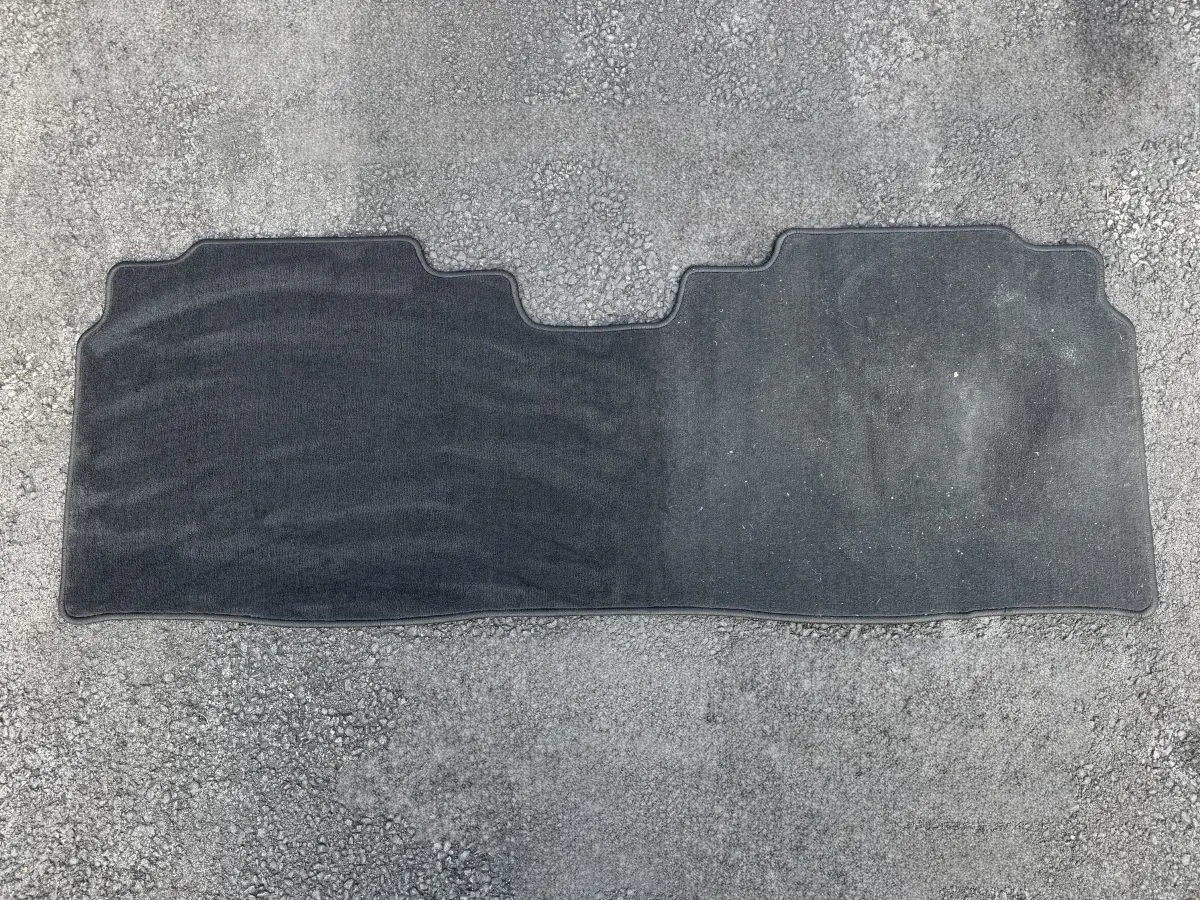
| On a removable floor mat | Take it out, clean it outside the car, and dry it fully before it goes back in |
| On cloth seats or fixed carpet | Get it assessed. The foam or padding may be wet underneath |
| Musty smell from the vents when the fan runs | Take it to a mechanic. The HVAC system or cabin filter may need service |
| Spread across much of the cabin, or after a flood | Talk to your insurer and a repair shop before any cleaning |
How fast do you need to dry a wet car?
Fast. The EPA says that if wet materials are dried within 24 to 48 hours after a leak or spill, in most cases mold will not grow. That is the window to beat.
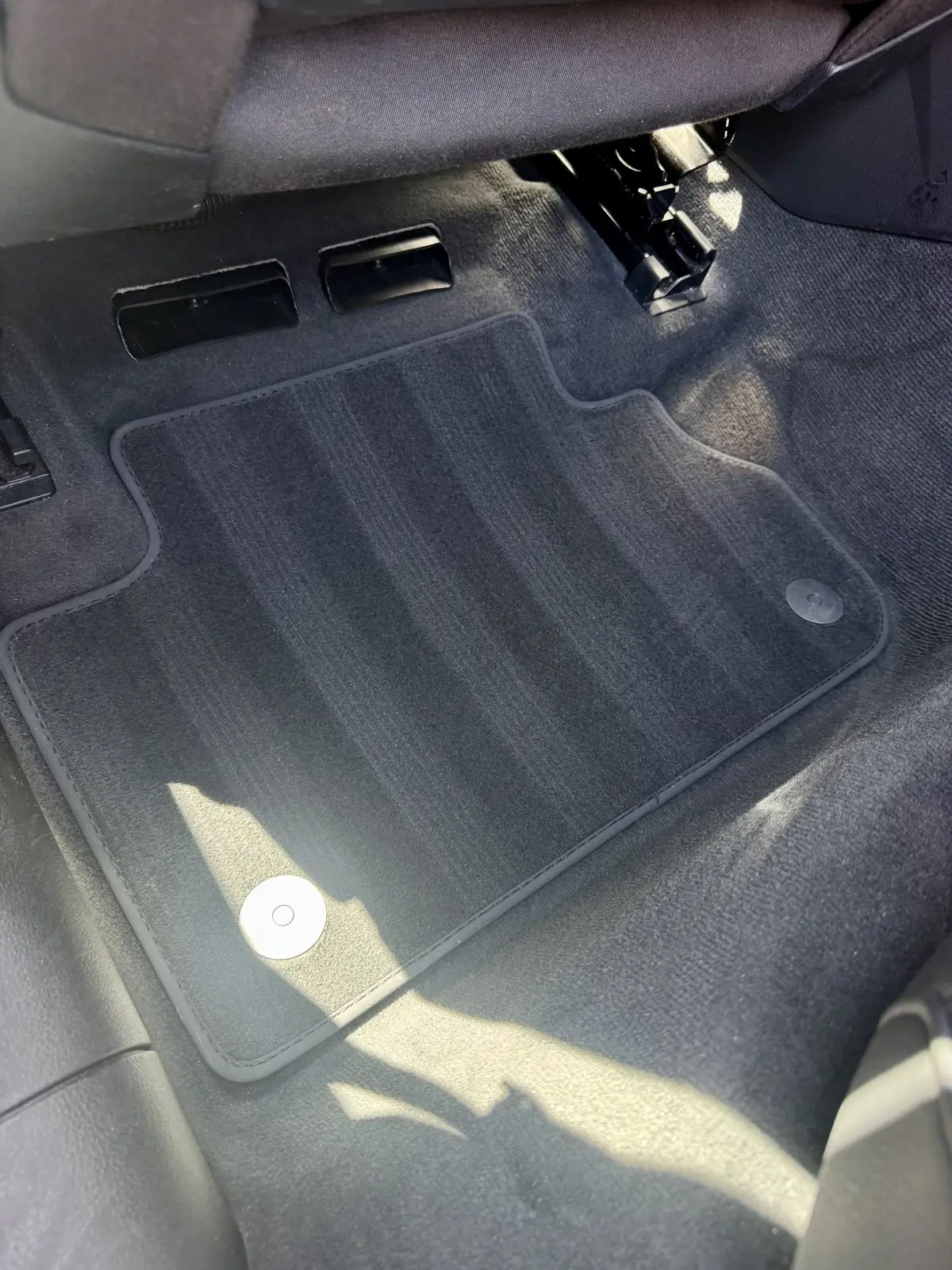
Pull out the floor mats and anything wet: bags, towels, papers.
Soak up standing water from the carpet with old towels or a wet vac.
Park in the sun if you can, with the windows open, or run the heat with the windows cracked.
Press a dry paper towel into the carpet near the seat rails and under the mats. If it comes up damp, keep drying.
Do not put mats or seat covers back over carpet that is still wet.
Air fresheners do not dry anything. They only hide the smell, which makes it harder to tell whether the problem is gone. My guide to car odors covers other smells that get confused with mildew.
When should you call a pro for mold in your car?
Call when the mold is on fabric or carpet, when it covers more than a small spot, or when it keeps coming back. Those are signs the moisture sits deeper than you can reach from the surface.
Mold Remediation is quote-only with me. It is not part of a standard Interior Detail, and I do not sell it as a quick refresh. I look at the photos, ask what caused the water, and tell you honestly if the job fits what I do or if the car needs a repair shop, new carpet, or a specialist first. I cannot promise a car is mold-free, and I do not give health or air-quality clearances.
If your carpet gets wet every winter from snow and slush on boots, deal with it before it has time to grow anything. My post on salt stains in car carpet explains how to clean mats without soaking the padding underneath.
Getting help in Morris County
I work out of Cedar Knolls and cover Morris County with mobile detailing or drop-off. If you have found mold in your car, text me photos at 862-204-7568 with the car, the town, and what you think let the water in. Once the leak is fixed and the cabin is dry, you can book online for the cleanup that fits.